Pickles: The Misunderstood Vegetable – A Beginner’s Guide
Introduction
Ever wondered why pickles seem to carry a bad rap in the veggie world? Often relegated to the sidelines of burgers and sandwiched between debate-worthy taste preferences, pickles are, in fact, the unsung rockstars of the food kingdom. Dive in with us as we unpack the truth behind “pickles: the misunderstood vegetable”. Get ready to re-discover this culinary delight as more than a mere garnish—it’s a multi-faceted marvel awaiting your palette.
The Amazing World of Pickles: Why They Matter
The History of Pickles
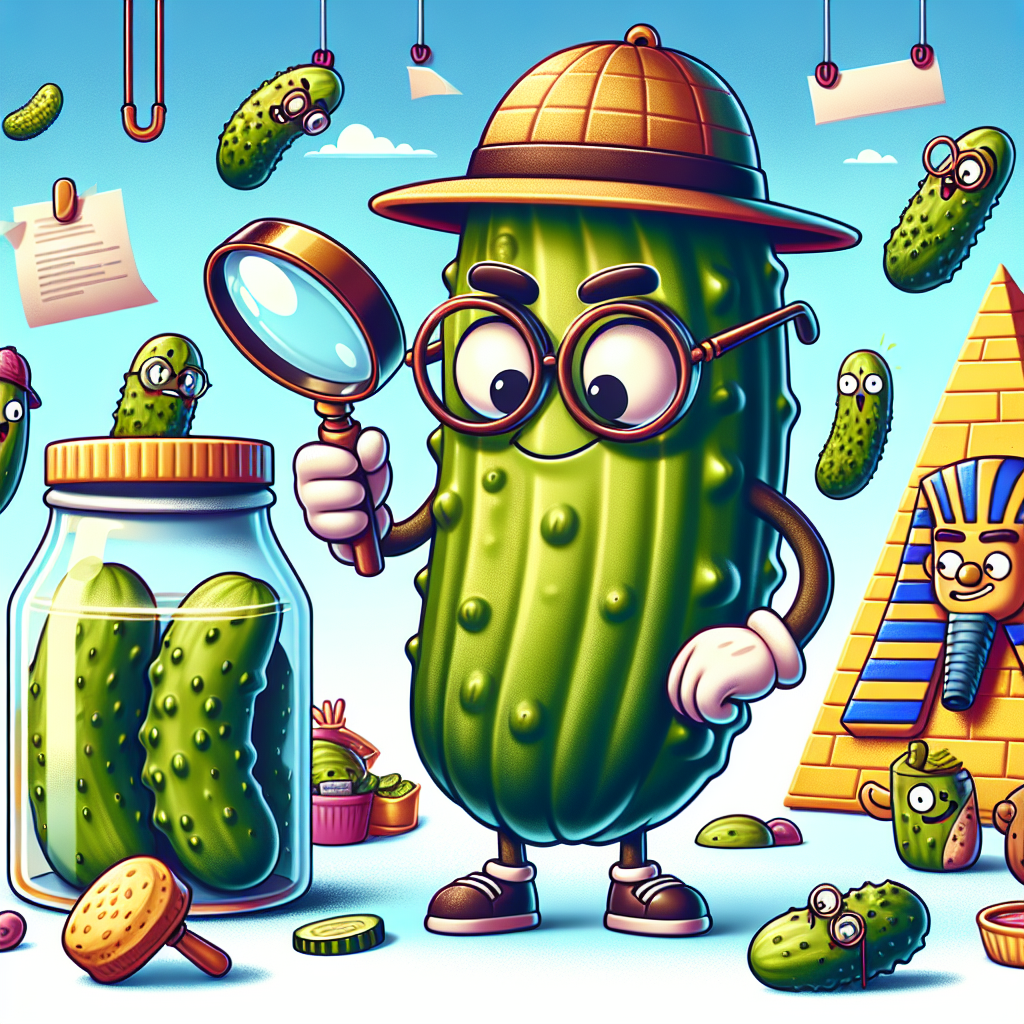
Pickles have an ancient past that stretches back to the likes of Cleopatra and Julius Caesar. Historically, pickling was an ingenious method of preservation used by the Egyptians to ensure their food lasted when refrigeration was absent. Fast forward to today, and pickling is not just about survival—it’s an art form embraced by foodies worldwide.
- 2400 B.C.: Cucumbers are first pickled in the Tigris Valley.
- Roman soldiers consumed pickles for strength.
- Cleopatra praised pickles for their beauty-boosting benefits.
Nutritional Benefits
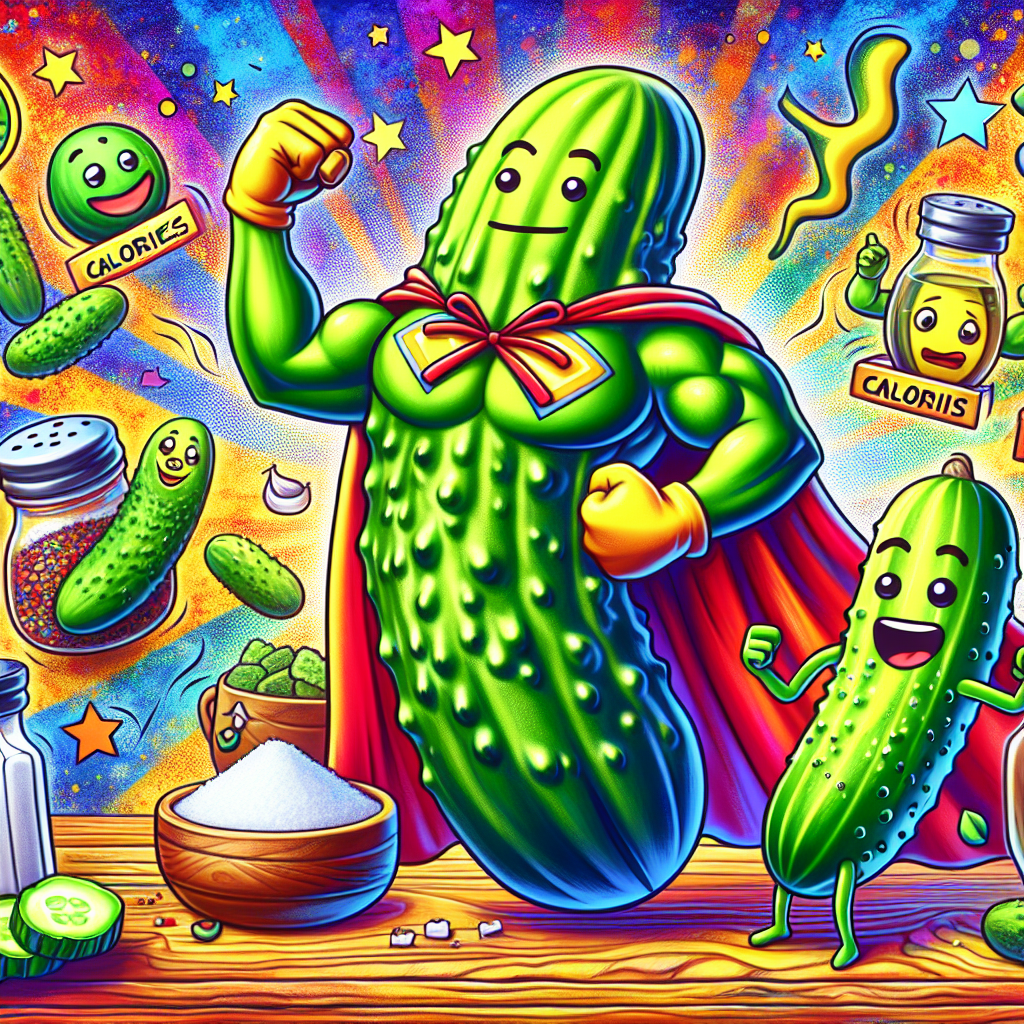
The pickle is a low-calorie powerhouse, brimming with vitamin K, which strengthens your bones. Plus, these tangy treats are a probiotic powerhouse, aiding in gut health and digestion. They’re a crunchy snack you can munch on guilt-free while improving your belly’s balance.
- Low in calories but packed with vitamins.
- Rich in electrolytes—keep those cramps at bay!
- Loaded with antioxidants, working to reduce inflammation.
Explore more healthy snack options
Pickles in Popular Culture
Pickles have snuck their way onto the silver screen, making cameo appearances and sometimes even stealing the show. They’ve also found a quirky niche in meme culture, becoming an unexpected symbol of humor and relatability in countless viral images.
- Famous pickle scenes in movies like “The Sandlot”.
- Memes featuring pickles as quirky, relatable protagonists.
- The iconic pickle juice chugging videos—internet gold!
The Different Types of Pickles: Which One’s for You?
Dill vs. Bread and Butter
Dill pickles are the classic choice, with a tangy and fresh flavor profile courtesy of—you guessed it—dill. In contrast, Bread and Butter pickles offer a sweet and tangy twist, making them a favorite for those who love a sugar-kissed crunch.
- Dill Pickles: Sharp, fresh, traditional flavor.
- Bread and Butter: Sweet, aromatic, versatile.
Fermented vs. Quick Pickles
Fermented pickles are the old guard, created through a natural fermentation process that builds complex flavors and beneficial probiotics over time. Quick pickles, on the other hand, are for the impatient pickle-lover, ready in a jiffy with a vinegar bath.
- Fermented: Takes weeks, produces probiotics.
- Quick: Ready in hours, taste-forward simplicity.
Regional Variations of Pickles
From the spicy Achar of India to the sweet-sour Bread and Butter of America, nearly every culture has its own unique spin on pickles, each reflecting regional tastes and traditions.
- Indian Achar: Spicy and flavorful.
- Japanese Tsukemono: Light, refreshing, umami-rich.
- Korean Kimchi: Fermented, spicy, and downright delightful.
Check out our blogs for more pickle perspectives
DIY Pickling: Your Path to Pickle Perfection
Essential Pickling Ingredients
The foundation of a stellar pickle begins with the right ingredients. You’ll need fresh cucumbers, high-quality vinegar, a bit of salt, and a pinch of sugar. Aromatics like garlic and dill are your co-stars.
- Must-Haves: Cucumbers, vinegar, salt, sugar.
- Flavors: Dill, garlic, mustard seeds, peppercorns.
Step-by-Step Pickling Process
Pickling is a straightforward science with a dash of creativity. Boil your vinegar, water, sugar, and salt to create your brine, then pack your cucumbers and aromatic spices tightly into sterilized jars.
- Prepare cucumbers: thinly slice or leave whole.
- Boil vinegar, water, salt, and sugar for the brine.
- Pack jars tightly with cukes, pour in hot brine.
Troubleshooting Common Mistakes
Not all pickling adventures go off without a hitch. Avoid the dreaded mush by keeping an eye on cooking times and ensuring your seal is airtight.
Pro Tip: If your pickles are soggy, they may have fermented for too long. Keep tasting throughout the process to dodge this dill-emma!
Contact us for more pickle expertise
How to Enjoy Pickles: Beyond the Bun
Satisfying Snack Ideas
Eaten straight from the jar, pickles are a snack-time hero. But have you tried them in a pickle wrap or paired with cheese for a grown-up lunchbox treat?
- Wraps: Roll pickles in slices of turkey.
- Boards: Add to cheese spreads for a tangy touch.
- Pops: Freeze pickle juice for a popsicle twist.
Pickles in Recipes
Don’t just settle for pickles as a sidekick. Infuse them into main dishes and even desserts. Think pickle ice creams or tangy relish in pasta sauces—surprising but sublime.
- Desserts: Chocolate-covered pickles.
- Mains: Pickle-infused sauces or relishes.
Pickle Cocktails: Yes, Really!
Why not sip on your pickles with sophisticated pickle-infused cocktails? Pickletinis and picklebacks are all the rage, offering a bold, unique taste for your adventurous palate.
- Pickletini: A martini with a pickle punch.
- Pickleback: Follow whiskey with a shot of pickle juice.
The Pickle Economic Impact: Why We Should Care
Pickles in Local Economies
Farmers markets and small businesses across the globe are thriving thanks to the pickle renaissance. The lowly cucumber, transformed, creates economic opportunities for local producers.
- Support small-scale farmers.
- Elevate rural economies with niche products.
Pickle Festivals: A Cultural Phenomenon
From Pickle Day in Manhattan to the International Pickle Festival in Rosendale, pickle festivals aren’t just for the wristband-wearing hipsters—they’re for anyone who’s ever delighted in a dill.
- Pickle Day: Celebrating all things fermented.
- International Festivals: Global gatherings of brine lovers.
The Future of Pickling Industry
With a steady growth trajectory, pickling isn’t going out of style anytime soon. Emerging trends include artisanal crafting and innovative flavors—get ready for tomorrows of tomatillo and turmeric twists.
- Rising global interest in artisan and gourmet pickling.
- Experimentation with new flavors, reflecting diverse cultures.
FAQ: Common Questions About Pickles: The Misunderstood Vegetable
How are pickles made?
Pickles are made by soaking cucumbers in a brine solution of vinegar, water, salt, and spices. Fermentation occurs naturally, or the brine is boiled for a quick pickle process.
What are the best pickling spices?
The quintessential pickling spices include dill, mustard seeds, garlic, and peppercorns. You can get creative with spices like cloves or bay leaves for more depth.
Why do people say pickles are vegetables?
Pickles are made from cucumbers, which make them botanically vegetables. Despite the transformative pickling process, they maintain their veggie identity.
When are pickles most popular?
Pickles are celebrated year-round but see a spike in popularity during the summer months and at food festivals dedicated to pickling.
Where can I find the weirdest pickle flavors?
For bizarre and adventurous pickle flavors like peanut butter pickles or Kool-Aid pickles, explore online stores specializing in exotic foods or local artisan markets.
How to store homemade pickles?
Store homemade pickles in a cool, dry place like a pantry. Always refrigerate after opening for optimal freshness and crispness.
What can I do if my pickles are too salty?
If your pickles end up saltier than you prefer, dilute the brine with a bit of water and let them soak. Alternatively, use them in recipes to balance out flavors.
Conclusion
Unleashing the full spectrum of “pickles: the misunderstood vegetable” shows they’re much more than fodder for burger toppings. Delight in their history, savor their flavors, and marvel at their diverse uses.
- Pickles boast an ancient, vibrant history.
- They’re nutritious powerhouses and cultural staples.
- DIY pickling is accessible and rewarding.
Explore more on our site and dive into the crunchy world of pickles, where culinary adventure awaits at every tangy turn!
Next Pickle Move
Browse Pickle Picks for more satire, weird food energy, and fresh pickle drops.
Read the Latest Pickle Posts so the best posts land in one place.