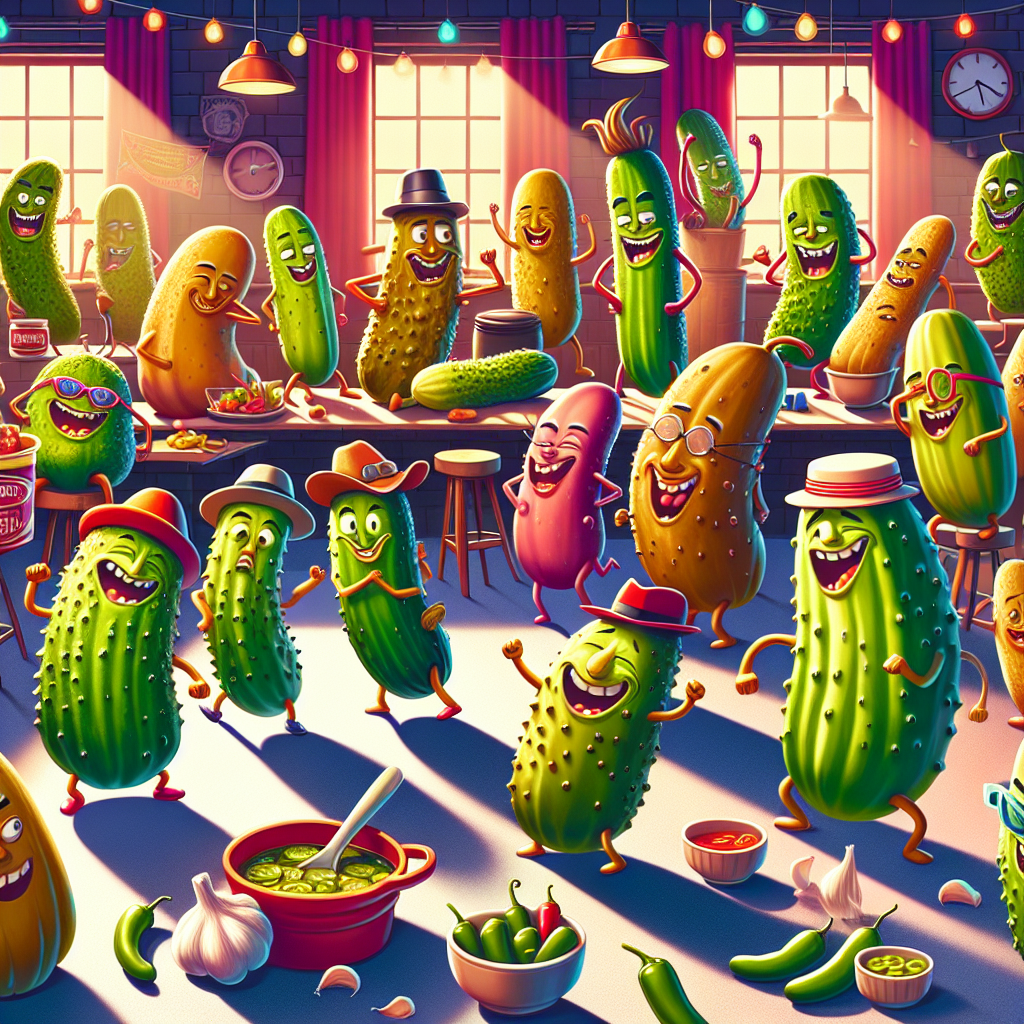
Ancient Civilizations Obsessed With Pickles: Myths & Truths
Introduction
Did you ever wonder why some ancient civilizations were so gherkin-obsessed? Spoiler: It’s not just the crunch! At the intersection of humanity’s past and our beloved pickles lies a realm as tangy as it is intriguing. This journey reveals the delightful myths and briny truths behind “ancient civilizations obsessed with pickles,” delving into how these societies savored every vinegary moment.
Myth: Pickles Were Just a Common Food Item
Truth: Pickles Were Seen as Culinary Gold
Some say pickles were just ordinary munchies in the past. Wrong! Pickles were culinary luxuries, traded like the hottest cryptocurrency. Archaeological findings—like jars and ancient scrolls—unearth evidence of pickles as prime trade items. Such discoveries highlight their high status, akin to culinary gold.
- Archaeological digs have uncovered pickles as prized items.
- Ancient writings often depicted pickles more lavishly than today’s average lunchbox staple.
- Pickles were used for their economic value, recorded in trade agreements.
By exploring the Dill Pickle Vs Bread And Butter, we see the lasting value and distinctions between pickle varieties through history.
Myth: Egyptians Picked Pickles for Luxury Only
Truth: Romans Used Pickles for its Health Benefits
Sure, Egyptian art has beautiful mosaics of pickles, leading to the myth they were solely luxury indulgences. But it was the Romans who famously embraced pickles for their health kick! Roman legions swore by the gut-friendly charms of pickles as a digestive tool, fortifying their troops on conquests with fermented vigor.
- Mosaics depicted pickles in luxurious settings, skewing perceptions.
- Scientific evidence today shows pickles aid digestion.
- Roman armies relied on their health-boosting properties during campaigns.
Myth: Greeks Were Simply Trying to Show Off With Pickles
Truth: Greeks Knew Pickles as Sacred Gifts
Picture this: the Greeks didn’t pickle just to flaunt finesse. They believed pickles were divine gifts from the gods themselves. Historical texts recount how pickles were part of sacred offerings. This connection to preservation and locally sourced ingredients speaks volumes of their cultural significance.
- Ancient Greek texts link pickles to divine gifts.
- Used in rituals to honor their deities.
- Evidence on how pickling preserved not only food but cultural heritage.
Myth: Everyone Knew Pickles Were Just for Preservation
Truth: Pickles Had Cultural Significance Too
Who knew that aside from mere preservation, pickles were cultural superstars? Humans transcended basic food preservation, enshrining pickles in cultural rituals. Various cultures inked tales of pickles within ceremonial realms, showcasing deeper artistic connections.
- Preservation was practical; cultural use was profound.
- Rituals involved pickles, as noted in ancient texts.
- Highlighted human behavior intertwining food and cultural expression.
For further insights on how pickles reflect personality, check out Why Pickles Are A Personality.
Myth: The Middle Ages Killed the Pickle Craze
Truth: Pickles Were Renaissance Revelers!
Forget the falsified death of pickles in medieval times. They were Renaissance revelers, thriving due to rediscovered health benefits. Writers of the era penned about their lasting allure, maintaining their position in culinary practices amidst cultural rebirth.
- Health benefits noted in texts ensured continuation during tough times.
- Rebirth in popularity highlighted Renaissance culinary evolution.
- Middle Ages were not the death knell but the dawn of new pickle appreciation.
Myth: Pickles Were Only a Side Note in History
Truth: Pickles Played Huge Roles in Diplomacy
Oh, pickles didn’t just passively sit in jars—they were diplomatic heavyweights! Sustaining ties between civilizations, pickles headlined treaties due to their universal appeal and sustenance value. Shared trade agreements represented shared resources, highlighting pickles as cultural links.
- Evidence of pickles in ancient trade agreements.
- Diplomatic ties often involved food trades, with pickles significant.
- Cultures viewed pickles as symbols of mutual culture and resources.
To understand how pickle significance stacks up in modern terms, visit Pickle Power Ranking.
Myth: Modern Societies Are the First to Experiment with Flavored Pickles
Truth: Ancient Flavor Innovations Were Wild
Prepare your taste buds; ancients were the original flavor innovators. Forget today’s audacious pickle concoctions. Ancient texts reveal tantalizing flavor combos involving exotic spices and unexpected toppings, a testament to age-old creativity, preserving both taste and tradition.
- Ancient documents describe intriguing flavor infusions.
- Uncovered recipes show unique combinations inspiring modern palates.
- Connections to preserving both food and tradition remain evident.
FAQ: Common Questions About Ancient Civilizations Obsessed With Pickles
How did ancient civilizations use pickles?
Ancient cultures used pickles for trade, health, and rituals. Viewed as luxury items and divine gifts, they cemented their place in both economy and culture.
What health benefits were believed to be provided by pickles?
Romans celebrated pickles for digestion, fueling soldiers with gut-friendly probiotics—an ancient endowment of vitality now scientifically backed by today’s research.
Why were pickles considered valuable in trade?
Pickles embodied culinary gold; their lengthy preservation suited long trade voyages, making them ideal economic commodities throughout civilizations.
When did historical civilizations start pickling?
Pickling began over 4,000 years ago, recorded in Mesopotamia, as early societies mastered fermentation as a food preservation technique.
Where can I find more fun facts about pickles across history?
For an extensive dive into the quirky universe of pickles, scour articles and blogs on Jerked Gherkins for ceaseless cucumber capers!
How did preservation techniques evolve with pickles?
Originally salt-based, preservation evolved with vinegar and spices, enhancing both taste and longevity through countless generations, remaining a culinary staple.
Conclusion
- Pickles weren’t just snacks; they were treasures of trade and diplomacy.
- Romans prized them for health, not just luxurious noshing.
- From divine offerings to cultural icons, pickles transcended basic preservation.
- Their Renaissance resurgence kept them firmly on culinary maps.
- Explore more ‘pickleology’ to uncover further myths and truths, far tastier than fiction.
Embrace the briny legacy of “ancient civilizations obsessed with pickles,” and savor the delicious tales that crunch across time and culture.
Next Pickle Move
Browse Pickle Picks for more satire, weird food energy, and fresh pickle drops.
Read the Latest Pickle Posts so the best posts land in one place.