How Are Pickles Made? A Witty Exploration of the Brine
Introduction
Ever wondered why something so sour can bring you joy? Welcome to the chaotic world of pickles! Get ready to embark on an absurd yet delicious journey to discover how are pickles made. This article will dive into myths, reveal truths, and provide fun facts along the way.
The Origins of the Pickle: A Briny Love Story
The History of Pickling
Myth: “Pickles were invented by the ancient Romans to make soldiers’ sourpusses smile.”
Truth: While the Romans did enjoy a pickle or two, pickling actually began in Mesopotamia around 2400 BC. Ancient Egyptians were also fans, using pickles as preservatives and aphrodisiacs. Fun fact: Cleopatra credited pickles with her legendary beauty! The allure of pickles has persisted over millennia, transcending beyond mere culinary delights into grand traditions. Why does this myth cling on? Probably because imagining stern Roman centurions crunching on pickles is more fun than spreadsheets.
The Gherkin vs. The Pickle
Myth: “All gherkins are pickles, but not all pickles are gherkins.”
Truth: Gherkins are indeed a type of pickle, typically smaller and bumpier than your average cuke! They originate from a different plant variety (Cucumis anguria). Why the confusion? Language mishaps and global branding have twisted this misconception into a pickle-fueled rivalry of epic proportions! Discover more about our love affair with pickles.
Why We Love Them
Myth: “Pickles are just a passing culinary fad.”
Truth: Far from a fleeting trend, pickles hold cultural significance across the globe. They’re a symbolic staple in Jewish, Korean, and Indian cuisine, fostering an emotional bond with the beloved crunchy snacks. Whether from childhood picnics or garden pickings, pickles evoke nostalgia, comfort, and joy, reinforcing their timeless appeal.
The Ingredients: What Goes Into Your Crunchy Delight
Cucumbers, the Star of the Show
Myth: “All pickles start as regular salad cucumbers.”
Truth: Meet the diverse cucumber varieties eager to break the mold! Pickling cucumbers are typically smaller with tougher skins, perfect for the pickling process. This myth lingers because the grocery store cucumber always seems to hog the spotlight.
The Magic of Spices
Myth: “It’s all about the dill!”
Truth: While dill dares dominate, a true pickle party doesn’t kick off without garlic, mustard seeds, and peppercorns crashing it. What’s the real reason for the dill oversell? Because “dill pickle” is catchy, but just a dash of garlic turns them into an entire ecosystem of taste!
- Add zing with coriander seeds
- Experiment with chili flakes for heat
- Infuse sweetness through cloves
The ensemble of spices transforms brined cucumbers into a tangy, aromatic delight.
Choosing the Right Vinegar
Myth: “Vinegar is vinegar; they’re all the same.”
Truth: Not all vinegars are created equal—distilled white, apple cider, and malt vinegar bring distinct flavor profiles to the table. Discovering the perfect vinegar (or mix) elevates your pickle game to new heights! Explore more flavor profiles.
The Pickling Process: From Farm to Jar
Washing and Cutting: The Cucumber Prep
Myth: “Just toss cucumbers unrinsed and uncut into the jar.”
Truth: Neglect at your own peril! Proper preparation is a must. Scrub cucumbers clean to avoid dirt-borne bacteria, trim blossom ends to prevent bitterness, and strategically slice for rapid brine absorption.
- Aim for uniform slices for even pickling
- Use crinkle-cut for Instagram-worthy jars
- Remove seeds for a smoother crunch
The Brine: Creating the Perfect Potion
Myth: “Brine is just salt and water.”
Truth: This couldn’t be further from reality—meet the alchemy of pickle brine! Experiment with sugar, spices, and for the audacious, a splash of whiskey. The magical science lies in the osmotic balance of brine permeating cucumbers over time.
Jarring Techniques: Sealing in the Flavor
Myth: “Air-tight seals are optional; just wing it.”
Truth: Oh no, pickle friend, jarring is sacred art! Use water-bath canning to remove air, prevent spoilage, and seal in flavor. This myth might spring from bravado or horror stories, but we promise safe, sealed jars save lives and heartbreak. Get involved in the art of jarring.
DIY Pickling: Your Kitchen Lab Awaits!
Tools You Need for Home Pickling
Myth: “Pickling is complicated science, requiring a lab coat and petri dishes.”
Truth: Your kitchen is the perfect pickling lab awaiting your presence! Essential tools include mason jars, lids, funnels, and a stock pot. Nothing fancy here—just a passion project awaiting its mad scientist.
Tips for Successful Pickling
Myth: “Just follow the recipe; you can’t go wrong.”
Truth: Avoid these traps with top tips!
- NEVER cross-contaminate your jars
- Don’t skimp on scrubbing
- Select cukes wisely—fresh is best
Flavor faux pas happen, but creativity shines when you dance around these hurdles!
Creative Variations to Try
Myth: “Pickles are strictly vinegar and salt—no riffing allowed.”
Truth: Be bold with creative culinary escapades! From spicy to sweet, decorate your cucumbers with rainbow flavors. Crack open the spice cabinet and try ginger-infused sweets or ignite taste buds with chili pepper spectacular!
- Sweet honey and cinnamon
- Adventurous jalapeño and lime
- Festive rosemary and cranberries
Unleash your inner pickle Picasso.
The Emotional Connection: Why We Crave Pickles
Pickles in Pop Culture
Myth: “Pickles are just crunchy background noise.”
Truth: Wrong again! From TV shows to TikTok memes, pickles steal the spotlight. Who could forget Snooki’s pickle obsession on Jersey Shore or the hilarious pickle-flavored slang infiltrating pop culture? They’re part of our laughter and shared experiences.
The Joy of Sharing Pickles
Myth: “Pickles are a solitary snack.”
Truth: Condiments connect! Whether bringing a jar to a picnic or sharing a platter during holidays, pickles forge moments and create togetherness. It’s a bond over salty bites and giggles.
The Science of Cravings
Myth: “Liking pickles is just a quirky coincidence.”
Truth: Craving pickles is science! Salt satisfies a primal palate, stimulating parched taste buds with tangy delight. Blame the brain’s dopamine rush for the undeniable picklish addiction.
FAQ: Common Questions About Pickles
How are pickles made from cucumbers?
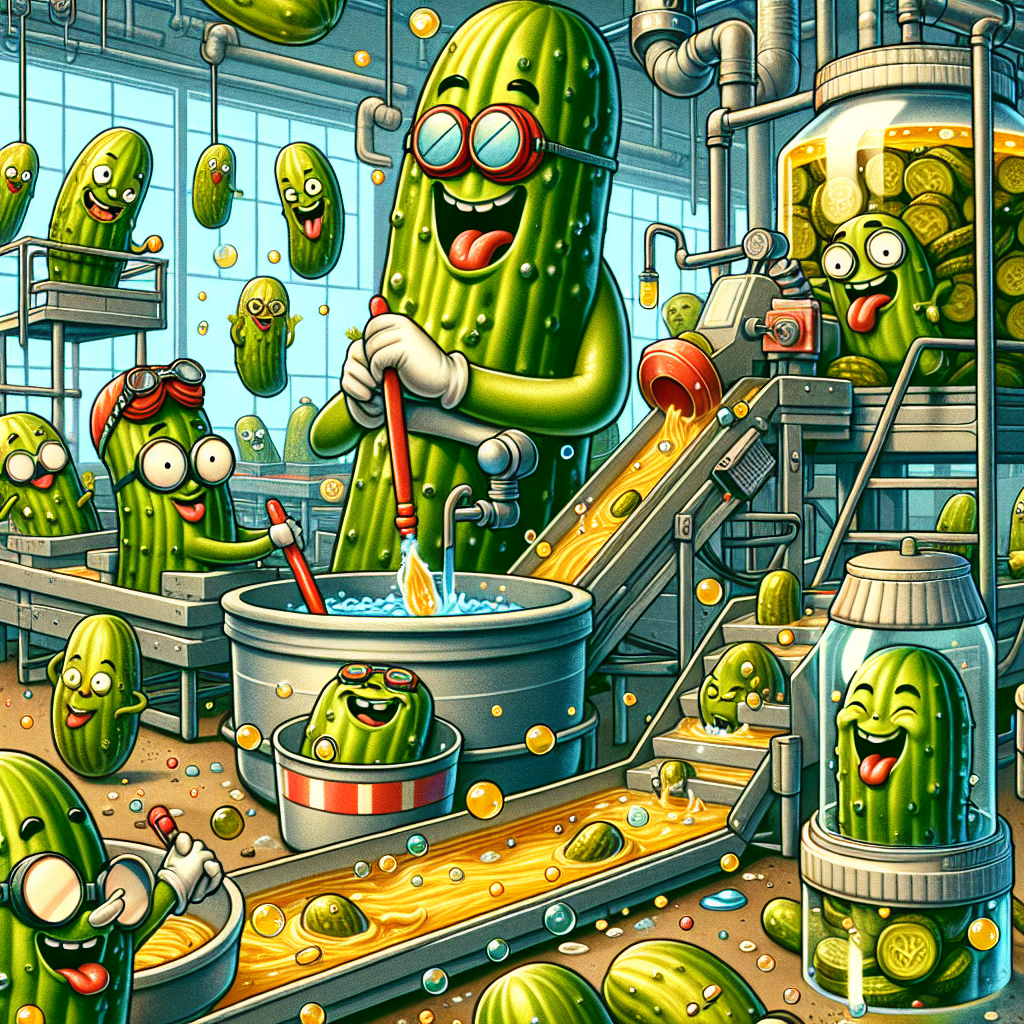
Pickles are made by fermenting cucumbers in a brine solution of salt, water, and spices. First, cucumbers are washed and trimmed. Then, they sit in brine—a mixture sometimes enhanced with vinegar—for several days to weeks. The solution seeps into the cucumbers, transforming them into the crunchy pickles we adore.
What is the history behind pickles?
Pickling dates back over 4,000 years to ancient Mesopotamia and Egypt. Pickles traveled to ancient Rome and maintained popularity through the Middle Ages. Thanks to their superb preserving powers and adventures across silk roads, pickles triumphed globally.
Why do we love pickles so much?
Pickles titillate our taste buds with bold flavor combinations and satisfy cravings for sour, sweet, and salty profiles. They hold emotional and cultural significance, compelling us to crave their briny goodness. The anthropological pull is real!
When is the best time to pickle cucumbers?
The summer months offer the best cucumbers for pickling, when they’re fresh off the vine! Seek out those prized cucumbers between late June and mid-August. Seasonal pickling captures peak flavors and textures.
Where can I find the best pickling recipes?
Look no further—recipes abound online and at Jerked Gherkins’ blog. From traditional styles to modern twists, there’s a pickle adventure for everyone. Pick your pickling poison and dive in!
How long do home-pickled cucumbers last?
Properly sealed pickles can last 12–18 months, if stored in a cool, dark place. Once opened, refrigerate them and consume within 1–2 weeks for optimal taste! Remember, pickles are packed with potential, not forever-life.
What are the health benefits of pickles?
Pickles are low-calorie snacks with probiotics that improve gut health. Their antioxidants boost immunity, while electrolyte content aids hydration. Plus, their natural vitamins and minerals are vital nutrients!
Conclusion
- From briny beginnings to DIY dreams, pickles enchant us with their delightful crunch.
- Discover cultural connections through pickles’ timeless role in customs and cuisine.
- Bold flavors from simple ingredients; pickles are a flavor revolution worth exploring.
- Craving more pickle pleasure? Check out our other articles on pickling prowess!
- For all that wondered how are pickles made, may your newfound knowledge lead you to flavor fame and fortune.
Next Pickle Move
Browse Pickle Picks for more satire, weird food energy, and fresh pickle drops.
Read the Latest Pickle Posts so the best posts land in one place.