How to Identify a Fake Pickle in 7 Easy Steps
Introduction
Ever wondered if your pickle is the real deal? Well, wonder no more! This guide will set you on the path to pickle enlightenment. Welcome to the wild world of brine and deception, where we teach you how to identify a fake pickle – your taste buds will thank you!
How to Spot a Phony Pickle
Look for the Color Clue
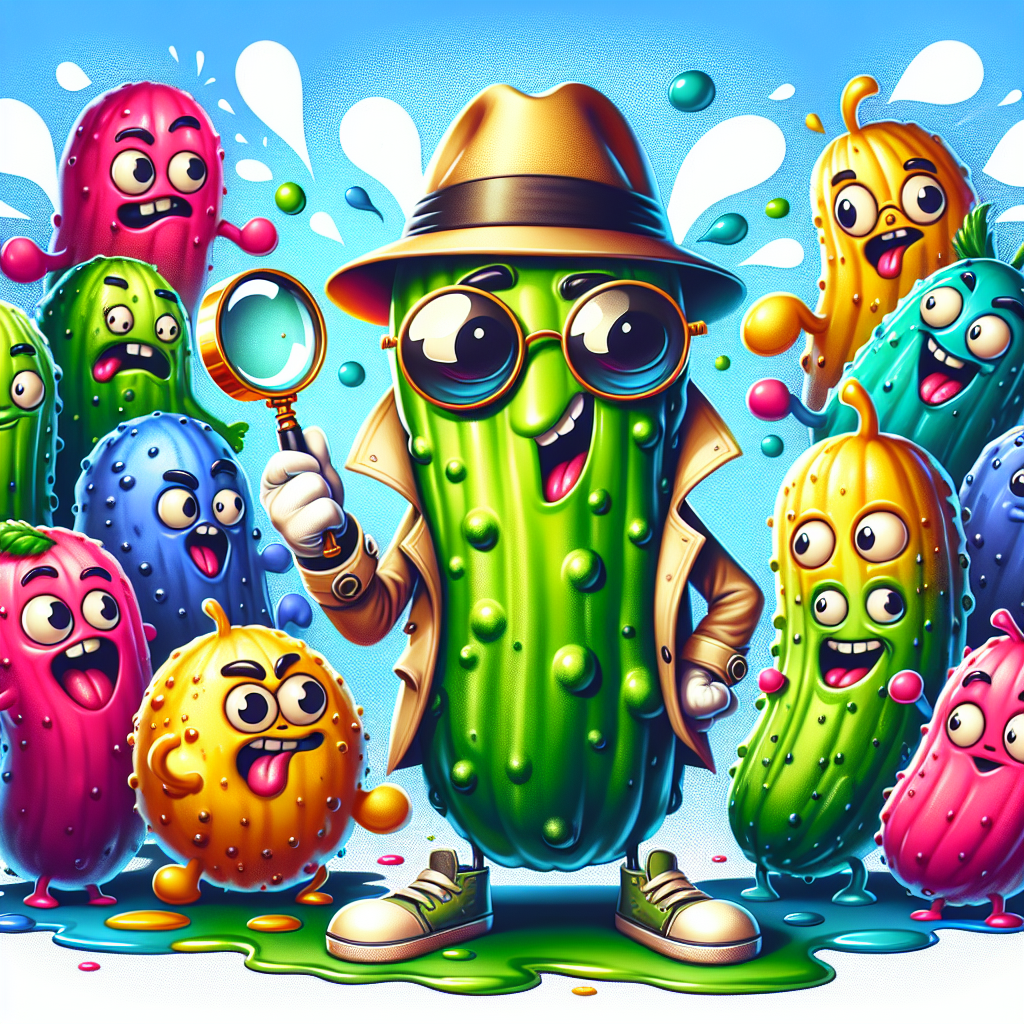
Pickles live their best life in muted green jackets, not disco-bright hues. If your pickle looks like it’s about to hit a rave, chances are it’s trying too hard, and authenticity isn’t on the menu.
- Avoid these colors: Electric green, neon yellow, or anything that could double as highlighter ink.
- What they mean: Artificial dyes could be involved, and honestly, artificial isn’t what we’re here for.
Check the Texture
When it comes to pickles, it’s all about that first bite. Genuine pickles carry a cool and crispy texture that’s sure to tingle your taste buds. A fake one? It might just gum out with a sorrowful rubbery goodbye.
- Compare these textures:
- Real: Firm, crispy, succulent.
- Fake: Slippery, rubbery, sad.
Sniff Test
Yes, it sounds silly—but trust us, sniffing your pickle might just save you from a dud. An authentic dill pickle carries a distinctive aroma of tang and zing that no impostor can imitate. If it smells like…sadness, you’ve been duped.
- Pro Tip: Trust your nose; it’s often smarter than you are.
Learn more about our passionate pickle pursuits.
The Brine Breakdown: Real vs Fake
Ingredients Inspection
In the wacky world of pickle predicaments, knowledge is power. Real pickles keep it pure with cucumbers, vinegar, water, and spices. Fakers might slip in ingredients that would frighten your grandma’s brine pot.
- Watch out for these “fake” ingredients:
- High Fructose Corn Syrup – not in real pickles!
- Preservatives galore – sodium benzoate, anyone?
Taste Test Tips
The taste will tell all if the texture doesn’t do it first. A genuine pickle should offer a balanced flavor, a perfect dance of sour and sweet, without either elbowing the other off the dance floor.
- Taste indicators:
- Balanced: A sublime blend of sour, salty, with a zesty ending.
- Unbalanced: Overwhelmingly sweet or acidic? It’s a no-go.
How Is It Packaged?
Packaging can be a sneaky accomplice in fake pickle schemes. Real pickles often nestle in glass jars, while flashier packaging can signal artificial boldness that never delivers.
- Pro Tip: Choose glass over plastic—sustainability wins for pickle lovers.
Understanding the Local Lore
What’s a Local Pickle?
While a supermarket pickle might be an imposter, local pickles are bursting with hometown charm and true brine energy. These pickles, crafted with love and local lore, have nuances in flavor you won’t find in mass-produced rivals.
- Regions famed for authentic pickles:
- Kosher Dills in New York
- Bread and Butter from the South
- Spicy Cajun preserving Louisiana’s zest
Cultural Significance of Pickles
Pickles aren’t just food; they’re icons of pop culture and legends of fermented history. Encounter the social meme status of pickles that travel across borders to bring tangy tales.
- Fun Fact: In Korea, kimchi is considered a national treasure with dedicated festivals.
Delve deeper into the pickleverse on our blog.
What’s the Shelf Life?
Fresh vs Processed
You’re better off eating fresh pickles, but be warned—they have a shorter shelf life. Processed pickles stay around longer, thanks to preservation ninja tricks. Still, a processed isn’t always better.
- Fresh vs Processed shelf life:
- Fresh: 1-2 months in the fridge.
- Processed: Up to a year unopened, months once opened.
Signs of Spoilage
Mold, bubbles, color change—these are your spoilage red flags. No need for a dramatic farewell, just toss those imposter pickles right out.
- Spoilage indicators:
- Slimy surface? Adios!
- Off-putting odor? Bin it!
When to Be Wary
Expiration dates are tricky lil’ devils. Understand the difference between best by, sell by, and use by dates so you aren’t caught mid-pucker with expired promises.
- Date lingo decoded:
- Best by: Quality benchmark.
- Use by: Safety guideline.
- Sell by: Retail puppet show.
Pro Tips for Pickle Lovers
DIY Pickle Checklist
If you’re pumped to pickle it yourself, you’re in for a tasty venture. But gherkin-garde creativity must balance with the wisdom of traditional techniques to ensure you’re not faking your homemade batch.
- DIY checklist:
- Acquire the freshest cucumbers.
- Opt for fermented pickling tips.
- Verify your vinegar’s acidity level.
Pickling Myths Debunked
Enough of the pickle panic, time to myth-bust our way through chaos! Fact is, so much fuss about pickles could pop a bubble in falsehood faster than you can say “brine”.
- Busted myths:
- Sugar is not a necessary evil.
- Pickling salts vary but all roads lead to preservation.
Need help with your pickle passion project? Get in touch here.
FAQ: Common Questions About How to Identify a Fake Pickle
How can I tell if a pickle is fake?
Fake pickles often have glaringly bright colors, artificial textures, a sweet scent instead of vinegary, and are packaged in flashy ways. Simply start by asking yourself if it looks, feels, and smells like nature intended.
What should I look for when buying pickles?
Keep an eye out for natural ingredients, glass packaging, a firm texture, and a balanced tangy taste profile. Read the labels to dodge artificial additives and preservatives.
Why are fake pickles a thing?
Manufacturers might opt for cheaper ingredients or artificial appearance enhancers to cut costs—resulting in inauthentic products that might appeal visually but lack real flavor.
When was the last time someone actually made a fake pickle?
With the rise in artisan food interests, fake pickles remain a topic of discussion. However, regulations and consumer-savvy attitudes are curbing their prevalence.
Where can I find authentic pickles near me?
Check farmers’ markets, local delis, or artisanal food stores for real, lovingly crafted pickles. Online specialty shops are also a goldmine for fans of authenticity.
How do I make my own real pickles?
Start with quality cucumbers, fresh spices, and craft a brine using vinegar and salt. Follow tried-and-true recipes to avoid turning your kitchen into a soggy science experiment.
What are the best brands for real pickles?
Seek out brands that emphasize natural ingredients like Grillo’s, McClure’s, and Bubbies, known for their commitment to authenticity and flavor.
Conclusion
So there you have it! With these steps, you’re now equipped to identify a fake pickle like a pro. Remember, your taste buds deserve the best! Here’s a quick recap:
- Check color and texture.
- Perform the renowned sniff test.
- Inspect ingredients and packaging.
- Explore the cultural significance and local lore.
- Be mindful of expiration dates.
Dive deeper into our pickle universe by exploring more of our fantastic content on how to identify a fake pickle and more delightful food lore. Embrace the tang and zest of true pickles!