How To Identify Pickle Imposters: A Definitive Guide
Introduction
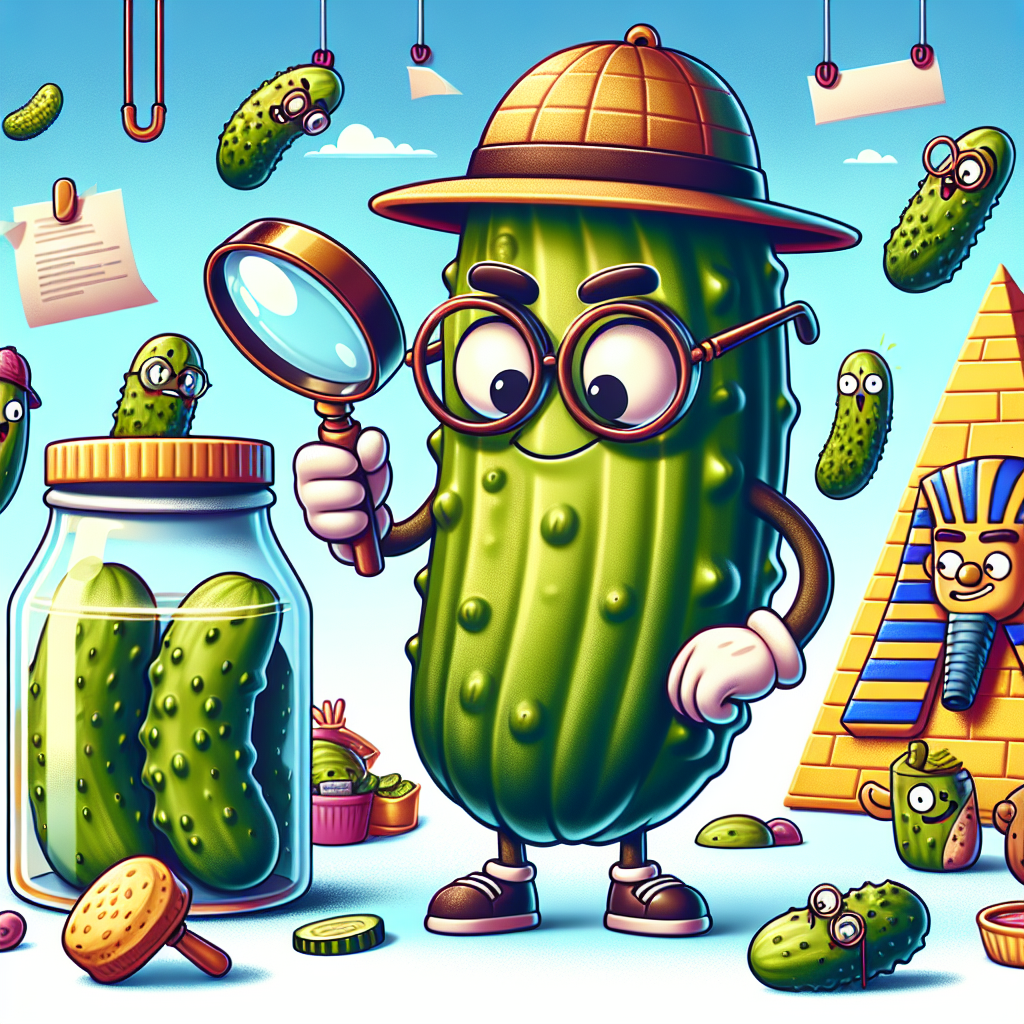
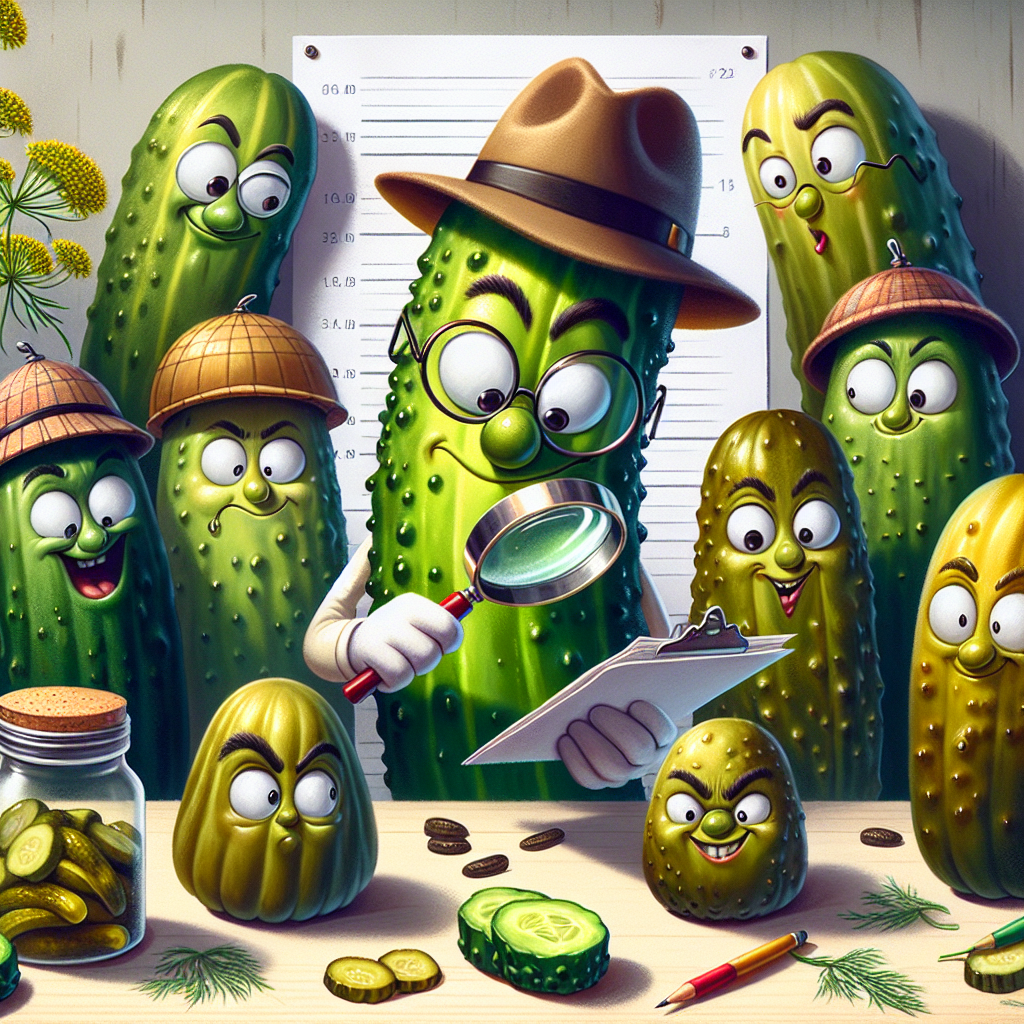
Ready to become a pickle detective? It’s time to sort the gherkin gems from the faux-fickle fakes. If you’ve been duped by disappointing dills or perplexed by peculiar pickles, fear not! We’re diving into how to identify pickle imposters so your relish game is always as fierce as it is flavorful. Buckle up your pickle belts, my salty savants, because we’re getting ready to tickle your brine senses!
Recognizing True Pickle Qualities
The Magical Crunch Factor
Craving that unmistakable crunch is the first clue in clinching a pickle’s authenticity. Real pickles don’t just squeak under your teeth; they scream! Check for firmness—flabby means phony.
- Test the Texture: Gently squeeze the pickle before buying. Real ones feel like they’ve been sunbathing in a crunch sauna.
- Snap Test: Break a slice; listen for that crisp, sharp crack. No crunch? No fun.
Color: Green or Not to Be?
Is your pickle strangely neon? Did it escape from the Hulk’s trash can? Authentic pickles wield a natural, botanical green glow.
- Beware of Alien Greens: Pickles shouldn’t resemble highlighters.
- Check the Peel: Real pickles have a consistent hue, not patchy neon zones.
Smell Test: The Aroma of Authenticity
Your nose knows! True pickles invigorate with a piquant, vinegary zap. Artificial scents are dead giveaways—if it’s more chemical than culinary, proceed with caution.
- Vinegar Voyage: Sniff the aroma; authentic pickles bring a tear of joy, not remorse.
- Fermentation Flair: Look for that subtle, rich fermentation fragrance.
Learn about our history and passion for pickles.
Ingredients Matter: What’s Inside?
The Label Lingo
Decoding labels is your secret weapon. An ingredients list should read like a cozy kitchen, not a chemistry experiment.
- Avoid Overly Complicated Words: Names you can’t pronounce belong in a lab, not a jar.
- Simple and Sweet: Prioritize cucumbers, salt, water, vinegar, and spices.
Avoiding Preservative Pitfalls
The longer the shelf life, the faker the pickle. Funky chemicals are trouble wrapped in cellophane.
- No Zombie Pickles: Avoid pickles that seem like they’ll outlive us all.
- Beware of Buzzwords: Words like “stabilizers” and “preservatives” are red flags.
Gourmet Choices or Gimmicky Guile?
Artisanal might sound fancy, but don’t let fancy fool you. Dive deeper before doling out extra cash.
- Quality Over Quirk: Look for quality certifications over flashy labels.
- Brand Research: A quick online search can save you from gimmicks.
Your Taste Buds as Lie Detectors
Flavor Profiles: Sweet or Savory?
Your palate should pirouette with every bite. A real pickle will dance delightfully between sweet, spicy, and sour.
- Burst of Flavor: Authentic pickles have balanced and distinct flavors.
- Avoid Overly Sweet or Salty: If it tastes like a sugar rampage or salt assault, be cautious.
Pairing Principles: Stand Alone or Sidekick?
A pickle worth its rind can both shine solo and complement your culinary creations.
- Versatile Vibrance: A real pickle is a meal’s MVP, equally delectable alone or paired.
- Match with Meals: Trial with different foods to assess adaptability.
The Ultimate Taste Test Challenge
Conduct a blind taste test to see if the pickles flop or fly.
- Gather Various Brands: Include both reputed and obscure ones.
- Rate Blindly: Note flavor, texture, and overall appeal.
Visual Clues: Packaging and Presentation
The Art of the Jar
A pickle’s attire tells tales. Transparent and sturdy jars speak to truthfulness, while flimsy foes fall short.
- Material Matters: Glass jars show off genuine green goodness.
- See Through the Marketing: Flashy designs can’t disguise dull delights.
Labels that Woo: Flamboyant Fiction or Flavorful Fact?
Labels designed to dazzle can sometimes deceive. Scrutinize with skepticism.
- Subtle Sophistication: Look for labels focusing on quality over quirk.
- Check Claims Thoroughly: Organic? Ensure it’s not just a buzzword.
Authentic Hues: The Color Code of Pickles
Pay attention to the color of the brine—it should be enticing, not off-putting.
- Brine Clarity: Murky waters hold murky flavors.
- True Tones: Trust colors that align with nature.
Age Before Beauty: Pickle Lifespan Secrets
The Importance of Expiration Dates
The fresher the better! Expiration dates aren’t just there for decoration.
- Check the Date: Avoid stocks nearing expiration for the freshest flavor.
- First In, First Out: Rotate your stock to savor freshness.
Shelf Life: When Are Those Pickles Past Their Prime?
Even the best pickles have a due date. Watch for telltale signs they’re overripe.
- Texture Changes: Slimy or soggy means it’s goodbye, gherkin.
- Check Seals: If seal integrity is compromised, discard.
Home-Canned vs. Store-Bought: What’s the Difference?
A little know-how and a lot of love make homemade a special treat, but are they better?
- Homemade Hue: Subtly varied, natural colors distinguish the homemade vibe.
- Explore DIY Pickling Techniques
Ask the Experts: Pickle Pros Weigh In
Notable Quotes from the Pickle Aficionados
Discover the wisdom from those who relish the relish life.
- “A well-pickled pickle is a bite of perfection,” says Orville Spillik, a noted pickle author.
- “Texture and taste combine to create an umami symphony,” declares Fern Caper, renowned food critic.
Beyond the Jar: Pickle Festivals and Culture
Engage with pickle culture for an authentic experience beyond the brine.
- Pickle Festivals: Join like-minded individuals at events like the National Pickle Fest.
- Join Workshops: Learn pickling methods directly from maestros.
Why Join the Pickle Community?
Dive deeper into the verdant waters of pickle paradise. It’s a tasty tribe, y’all.
- Camaraderie Among Connoisseurs: Share tips and trips among fellow pickle lovers.
- Join Our Pickle Enthusiast Community
FAQ: Common Questions About How To Identify Pickle Imposters
How do I know if my pickles are real?
Check for that crunch factor, a naturally green hue, and a vinegary aroma. Real pickles sing with freshness.
What are the key ingredients of genuine pickles?
Authentic pickles contain cucumbers, water, vinegar, salt, and spices. Anything else is suspect.
Why do some pickles taste so artificial?
Chemical preservatives and artificial flavorings dull the pickle experience, adding faux flavors.
When should I be cautious of pickle brands?
Be wary if an ingredients list reads like a science textbook, or if the product’s cooking up in Murky Brine.
Where can I find authentic pickles?
Look for local farmers’ markets or artisanal brands showcasing natural ingredients and clear labeling.
How can I enhance my pickle-identifying skills?
Frequent pickle festivals, participate in blind taste tests, and connect with the pickle community.
What tips do experts recommend for home pickling?
Stay simple! Use fresh produce, natural brine, and experiment with spice blends.
Conclusion
You’re now equipped to identify pickle imposters like a true connoisseur. Here’s a quick recap to pickle your memory:
- Embrace the crunch test.
- Trust your senses for natural colors and aromas.
- Scrutinize packaging for subtle sophistication.
- Value short and simple ingredient lists.
- Participate in pickle-related quests to increase expertise.
For more deliciousness and to up your gherkin game, dive into our other zesty content! Remember, once you know how to identify pickle imposters, you’ll never bite into disappointment again! 🍽️
Discover more about our unique pickling process and unleash your inner pickle prowess!
Next Pickle Move
Browse Pickle Picks for more satire, weird food energy, and fresh pickle drops.
Read the Latest Pickle Posts so the best posts land in one place.