What Does In A Pickle Mean? A Beginner’s Guide to the Chaos!
Introduction
Ever found yourself in a jam? Or should we say, a pickle? Whether you’re diving headfirst into the culinary chaos or simply trying to untangle the wacky web of language, we’re here to take you on a zesty journey. If you stumbled across this page from a meme rabbit hole or your undying love for crunchy cucumbers brought you here, strap in as we unravel the delightful depth of the phrase “in a pickle.” So, what does in a pickle mean? You’re about to find out!
What It Means to Be “In a Pickle”
Definition of the Phrase
Being “in a pickle” means finding oneself in a tight spot or difficult situation. The term conjures images of a person metaphorically entwined with the tangy vine of trouble. But where did this quirky colloquialism originate? Its roots harken back to the 16th century, immortalized in Shakespeare’s “The Tempest.” Fast forward a few hundred years, and people still use it to describe everything from mild inconvenience to full-blown calamity.
- Historical context: Shakespeare’s era
- Modern examples: “I’m in a pickle because I forgot my aunt’s birthday!”
Explore more delightful history on our blog.
Where Did the Expression Come From?
The phrase carries literal backstory too. Originally referring to the brine-soaked world of culinary delights, “in a pickle” describes the plight of being steeped in a sour and overwhelming situation. Notable figures like Shakespeare have been credited with popularizing it, weaving it flawlessly into the tapestry of the English idiom scene.
- Pickles in history: Foodstuff to idiom
- Language evolution fun facts: From bard to common vernacular
How We Use It Today
In our modern meme-fueled universe, “in a pickle” gets tossed around like confetti at a parade. It’s a flexible phrase that fits snugly into tweets, TikToks, and tantalizing Instagram captions. Whether you’re using it to laugh off a messy situation or to caption your DIY pickling disasters, it’s a linguistic gem that spans across oceans and cultures, popping up in unexpected places.
- Famous pop culture references: From sitcoms to cartoon catchphrases
- Social media influence: Trending hashtags and viral moments
Pickles: A Brief Dive into Their Tangy Lore
The History of Pickles
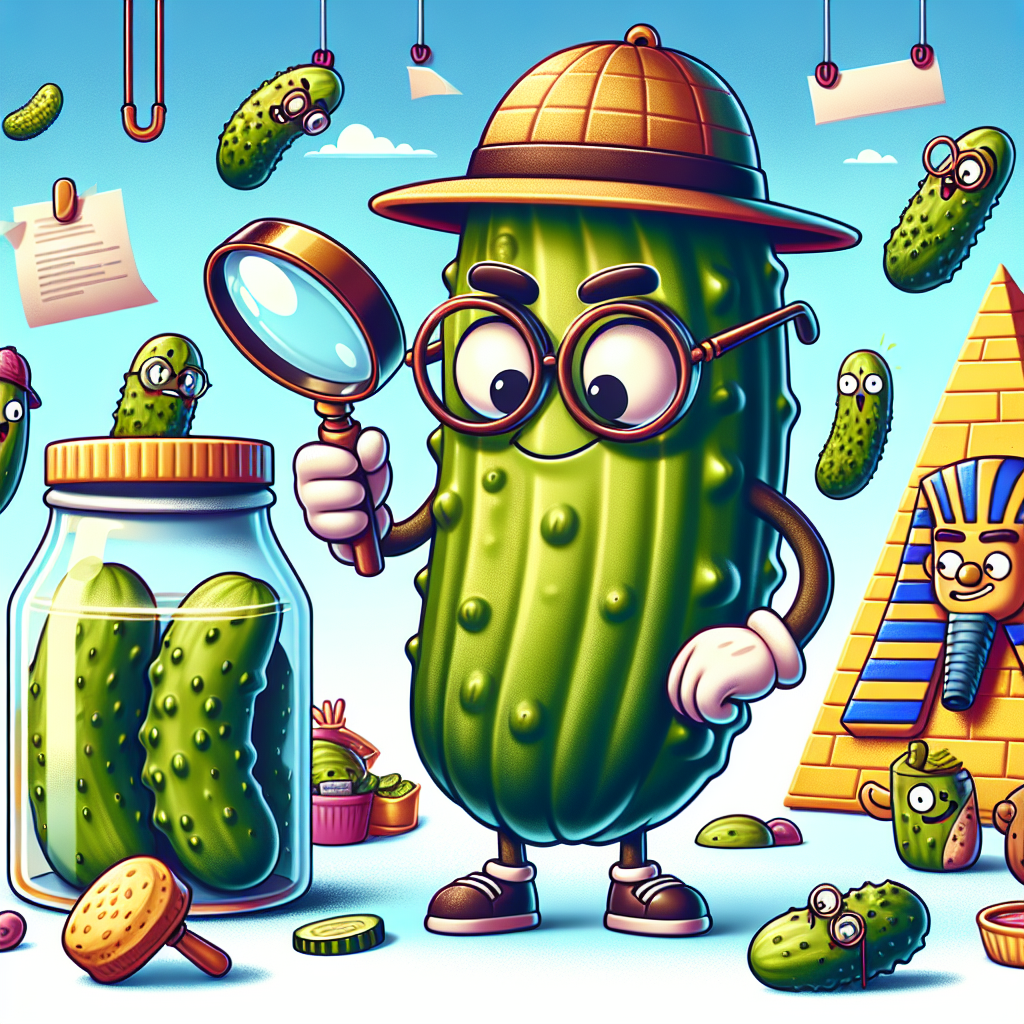
Pickles go way back—seriously ancient. Egyptians, Greeks, and Romans all had a hand in the fermentation fun. Across cultures, pickles have played pivotal roles in culinary practices, experimenting with fish, meats, and famously, cucumbers. Even Cleopatra reportedly snacked on pickles for health benefits, adding mystique to their history.
- Ancient origins: Egyptians and beyond
- Culinary practices: Rome to Renaissance
Health Benefits of Pickles
Pickles are more than just zesty snacks. Packed with probiotics and brimming with vitamins, these briny bites boast an array of health benefits:
- Nutrition facts: Low-calorie treats
- Remedies of lore: Hangover cures and gut health
- Diet inclusion tips: How to fit pickles into your daily meals
Pickles in Pop Culture
The pickle’s role isn’t just limited to your burger’s interior. These green wonders have wiggled their way into cinema, television, and literature. Who could forget the pickle-accented dilemmas faced by heroes and heroines alike? And of course, the internet’s favorite: pickling challenges where adventurous eaters take on absurd quantities, often with hilarious results.
- Iconic references: Movies, TV shows, and books
- Memes: How the internet amplifies pickle mania
Getting Pickled: DIY Adventures
How to Make Your Own Pickles
Don your apron, grab some cucumbers, and let’s get pickling! Making homemade pickles is a zesty affair brimming with garlic, dill, and creativity. Here’s how:
-
Recipe for classic dill pickles:
– Ingredients: cucumbers, vinegar, salt, dill, and garlic
– Steps: Slice, brine, and wait patiently -
Beginner tips:
– Wear gloves: Avoid spicy burns from hot peppers
– Sterilize jars: Prevent unplanned science experiments -
Common pitfalls:
– Avoid too much salt, or you’ll end up with pickle jerky!
Creative Pickle Recipes
Why stop at cucumbers? The world of pickling is as diverse as your spice cabinet. Use it to transform everything from radishes to watermelon rinds into tangy wonders.
- Pickled everything: Beets, carrots, even asparagus!
- Snack ideas: Infused appetizers for party intrigue
- Entrees featuring pickles: Elevate sandwiches and pizzas like never before
Pickles and Pairings
Pickles are team players, always shining bright alongside stars of the dish. Enhance your meal:
- Dish companions: Burgers, cheeses, and beyond
- Cocktail garnishes: Martinis with a twist
- Global pairings: Japanese pickled plums and Korean kimchi for adventurous foodies
Common Misunderstandings About “In a Pickle”
Why Do We Say It?
The source of “in a pickle” is steeped in confusion. Is it Shakespeare, or is it deeper than we think? Culture often adds layers to language, making phrases like these an intriguing puzzle.
- Cultural perceptions: Different interpretations across societies
- Synonyms: “In a bind,” “caught between the devil and the deep blue sea”
Where Else Might You Hear it?
Pickle phrases are like cultural passports, traveling via word of mouth. They intersect with various idioms and end up reframed in countless cultures.
- Global variations: “In a jam” and more
- Fun trivia: Oddball food idioms and their quirky origins
When Is it Appropriate to Use?
“In a pickle” fits many scenarios—be they humorous, dire, or elegant. Knowing when to wield this phrase can turn an awkward situation into a comedic masterpiece.
- Situational examples: Office spaces, family dinners
- Linguistic etiquette: From chatty banter to professional prose
- Memes: Capturing everyday pickle predicaments
FAQ: Common Questions About What Does In A Pickle Mean?
How did “in a pickle” originate?
The phrase has linguistic roots reaching back to Shakespearean times. It captures the essence of being in a tight spot, amplified by the briny connotations of pickles themselves.
What are some other idioms similar to “in a pickle”?
You might also find yourself “in a jam,” “up the creek without a paddle,” or “stuck between a rock and a hard place.” Each shares nuances of being caught in a tricky situation.
Why is the pickle association so widespread?
Pickles permeate global palates and cultures, making them a universal metaphor for tricky, vinegary situations. Their lingering bite leaves quite the impression!
When is it appropriate to say “in a pickle”?
Use it when you find yourself in a bit of a bind—be it literal or figurative. Feel free to pepper it into casual dialogues or humorous writing.
Where do people use this phrase most commonly?
“In a pickle” is employed with zest in everyday language, sitcoms, literature, and the ever-expansive meme world, wherever surprises and challenges lurk.
Can “in a pickle” mean something positive?
While typically denoting trouble, it can sometimes describe mischievous curiosity or unexpected adventures—it’s all in how you spin it!
What pickles are better: Jarred or homemade?
Both have their charm. Jarred pickles offer convenience; homemade ones offer customization and bold flavors new to the palate.
Conclusion
In conclusion, from Shakespearean roots to DIY adventures:
- Historic charm: Dive deep into linguistic history and find fun facts along the way.
- Tangy delights: Make and enjoy pickles while understanding their roles in society.
- Idiomatic fun: Discover why language is just as exciting as the pickles themselves.
Join us on our ongoing quest for culinary chaos at our blog, and embrace the world of the pickle enthusiast. So, what does in a pickle mean to you now?
Next Pickle Move
Browse Pickle Picks for more satire, weird food energy, and fresh pickle drops.
Read the Latest Pickle Posts so the best posts land in one place.