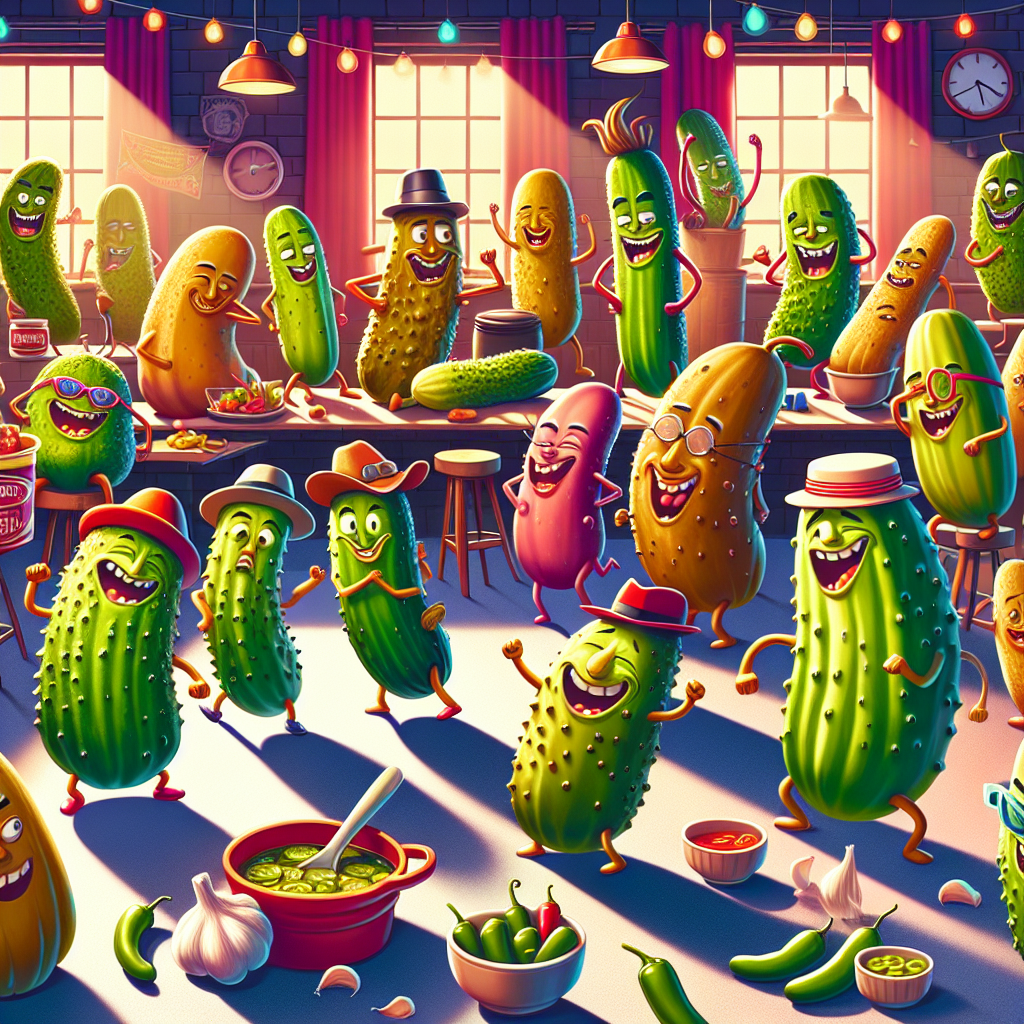
Dive into Pickle Texture Science: The Crunch Factor Unleashed
Introduction
Ever wondered what gives pickles that irresistible crunch? You’re not alone, my vinegary virtuosos! Today’s mission is clear: unravel the titillating science behind pickle texture. More than just a food, pickles are a quest—a crunchy odyssey. Buckle up as we plunge into the abyss of pickle texture science, our foremost endeavor in understanding what makes these briny goodies both satisfyingly crunchy and zestfully zingy.
The Anatomy of a Perfect Pickle Texture
Pickle Crunch: What Makes It Tick?
First up, the crunch phenomenon. Is it magic? Sorcery? Nope, it’s cellulose! Cellulose, the fibrous component in cucumbers, is the maestro conducting this crunch symphony. Add some pectin jazz into the mix, and voilà, you’ve got yourself some snap-worthy goodness. Key factors influencing this textural dance include the cucumber’s age and thickness—thicker walls, more crunch!
- Thickness: A thicker cucumber means a denser, crunchier texture.
- Cellulose Content: Supports that delightful snap you crave.
The Role of Cucumbers in Texture
Cue the star player: cucumbers! Not just any cucumbers, but the right ones, such as the Kirby or Persian varieties. They’re banana-level dedication in a gherkin world. These cucumbers channel the ancient art of staying firm under pressure, literally.
- Freshness: Fresh cucumbers ensure peak crunch.
- Variety: Opt for Kirby or Persian varieties to maximize the crunch potential.
Brine Balance: Salt, Sugar, and Science
The brine is the unsung hero here—think of it as the pickle’s personal trainer. The right balance of salt and sugar isn’t just flavor magic; it’s textural alchemy. Salt hardens the pectin, while sugar calms potential bitterness. Who knew chemistry could be so delicious?
- Salt: Firms up the pickle structure.
- Sugar: Elevates flavor while maintaining a crunch.
For more insights on how brine affects different pickle types, check out Dill Pickle Vs Bread And Butter.
The Science of Fermentation: Crunch Meets Zing
How Fermentation Impacts Pickle Firmness
Fermentation isn’t just for transforming introverts at parties. When applied to pickles, it’s a firmness godsend. The fermentation process introduces lactic acid, upping the crunch factor—it’s a scientific rock concert in a jar!
- Lactic Acid: Strengthens structure and adds zing.
- Fermentation Time: The longer, the crunchier.
The Role of Lactic Acid Bacteria
Say hello to the microscopic MVPs: lactic acid bacteria. These little critters chow down on sugars, turning them into lactic acid. This action is crucial in safeguarding the pickle’s armor, enhancing its famous firmness.
- Acid Production: Lactic acid protects cell walls.
- Flavor Boost: Adds tangy layers to the taste profile.
Pickle Types & Their Unique Texture Changes
Pickles have personalities, sort of. Each type undergoes a unique textural transformation—it’s like pickle puberty! From sour to half-sour, the variance is all about fermentation duration.
- Sour Pickles: Longer fermentation for ultimate crunch.
- Half-Sour Pickles: Shorter fermentation, crisper texture.
Uncover more quirky pickle identities by reading Why Pickles Are A Personality.
Secrets of the Brining Process
An Insider Look at Brine Chemistry
Brine: the concoction that could rival any wizard’s potion. Through osmosis, salt penetrates the cucumber, altering its cellular structure—a crunchy metamorphosis!
- Salt to Water Ratio: Key for osmotic magic.
- Acidity: Ensures safety and flavor.
Temperature and Time: The Texture Equation
Time + temperature = texture! Higher temperatures shorten the crinkle-creating timeline, but be cautious—rush it, and risk a limp disaster.
- Temperature: Higher temps lead to faster; crisper pickling.
- Time: Patience is a crunchy pickle’s virtue.
DIY Brining Tips for Optimal Crunchiness
Bring it home with DIY brining tricks! Arm yourself with crisp cucumbers, a reliable recipe, and a pinch of patience.
- Plan Ahead: Select fresh cucumbers and quality ingredients.
- Recipe Precision: Follow to the letter for best results.
Check out Pickle Life Hacks Nobody Asked For for more crunchy secrets.
Pickling Methods: The Texture Impact
Quick Pickling vs. Traditional Methods
Two roads diverged in a yellow wood, and both were pickling alleys. Quick pickling offers rapid results but leans less crunchy, whereas traditional methods deliver timeless crispness.
- Quick Pickling: Fast, convenient, slightly softer.
- Traditional Methods: Slow, profound crunch.
The Impacts of Pickling Spices on Texture
Spices do more than flavor; they play texture tunes as well. Dill, garlic, and mustard seeds can subtly tweak the texture—but don’t expect a full-on metamorphosis.
- Dill & Garlic: Infuse flavor without altering firmness.
- Mustard Seeds: Provide slight grit enhancing textural interest.
Texture Variations Across Different Vegetables
Not all veggies wear the crunch crown equally. Carrots and radishes rival cucumbers, while others—let’s just say they don’t have the chops.
- Carrots & Radishes: Crunch contenders.
- Softer Vegetables: Less firm, more flexible.
Find out how different veggies stack up in the Pickle Power Ranking.
The Cultural Significance of Pickle Texture
Crunch as a Cultural Icon
Across the globe, crunch equals joy—an echo of contentment in every jaw-closing moment. It’s a universal language that transcends mere munchies.
- Global Appeal: Crunchiness revered worldwide.
- Cultural Crave: Embedded in heritage and cuisine.
Textural Preferences Around the Globe
Culturally, some prefer bracing breaks, while others nibble softer, gentler bites. Japan’s tsukemono versus India’s achaar illustrates this textural spectrum.
- Asia: Emphasis on firm, preserved delights.
- Europe & America: Savor softer, tangier pickles.
Meme Magic: Why Pickle Texture is Internet Gold
Leave it to the internet to pickle a pickle—literally! Memes capture the crunch craze, turning this culinary quirk into an unexpected cultural phenomenon.
- Viral Cravings: Pickles became meme stars.
- Social Sharing: Crunchy clips tickle virtual tastebuds.
Get more meme madness in our Pickle Ranked Tier List.
Expert Insights: What Do the Gurus Say?
Interviews with Pickle Scientists and Chefs
We asked the experts: what pulls the strings behind pickle texture? Their verdict: precision, practice, and a touch of the fantastical!
- Precision: Consistent methods yield consistent textures.
- Practice: Mastery comes through trial and error.
Texture Test: How Experts Evaluate Firmness
The backbone of pickles? Firmness. Experts employ scientific scales to assess what our taste buds already know.
- Firmness Scale: From limp to robust.
- Test Methods: Pressure techniques and tastings.
The Future of Pickle Texture Innovations
Innovation isn’t just for spaceships. Emerging trends, like unconventional brines and creative additives, promise to future-proof pickle prowess.
- Experimental Brines: Pushing boundaries with flavor.
- Texture-Boosting Additives: Pectin geeks unite!
FAQ: Common Questions About Pickle Texture Science
How does brining affect pickle texture?
Brining strengthens a pickle’s structure through osmosis. Salt infiltrates the cucumber, boosting its crunch potential while preserving the cell matrix.
What cucumber varieties yield the crunchiest pickles?
For crunch galore, opt for Kirby or Persian varieties. They possess ideal thickness and hold firm amid brining pressures.
Why do some pickles lose their crunch over time?
Pickle sadness happens when storage mishaps or heat exposure softens structures. Seal them tightly and store cool to keep the crunch alive.
When should you eat homemade pickles for the best texture?
Crunch is peak between days 7-14. After this, they may slightly soften, but the zing grows stronger.
Where can I find the best crunchy pickles?
Local farmers’ markets and artisanal shops rock for finding premium crunchy picks!
What are common mistakes that ruin pickle texture?
Overcooking during canning or miscalculating brine ratios can lead to disappointing limpness. Attention and precision hold the key.
How does temperature during pickle-making affect crunchiness?
Temperature plays textural tag: too high shortens fermentation, risking softness; just right ensures long-lasting crunch integrity.
Conclusion
Let’s wrap up the saga of pickle texture science, where crunchy creations meet at the intersection of chemistry and culinary art. Here’s the crux:
- Cellulose and pectin are texture drivers.
- Fermentation fuels firm pickles.
- DIY accuracy leads to perfect crunch.
Go forth, pickle pioneers, and create your crunchy masterpieces. For more zesty tales and tart adventures, dive into our quirky content. Crunch on in the wondrous world of pickle texture science!
Next Pickle Move
Browse Pickle Picks for more satire, weird food energy, and fresh pickle drops.
Read the Latest Pickle Posts so the best posts land in one place.